

Polyamory/ENM/CNM Therapy
Polyamorous and other consensually non‑monogamous relationships can be deeply meaningful, but they also come with layers of logistics, feelings, and conversations that most of the world doesn’t prepare you for. It’s a lot to hold on your own.
I offer a space where your relationship structure is not the problem to be fixed. We start from the assumption that your polyamory or open relationship is valid, and focus instead on helping you build the communication, boundaries, and self‑understanding that let your relationships actually feel sustainable.
A place where you don’t have to translate
You don’t have to explain what “polyamory” means, justify why you’re not monogamous, or spend half the session educating me. We can move more quickly into what’s really going on, like:
Navigating jealousy, comparison, or insecurity
Balancing time, energy, and care between multiple partners
Repairing after broken agreements or miscommunications
Transitioning a previously monogamous relationship
Managing new relationship energy alongside existing commitments
Negotiating boundaries around sex, information‑sharing, or cohabitation
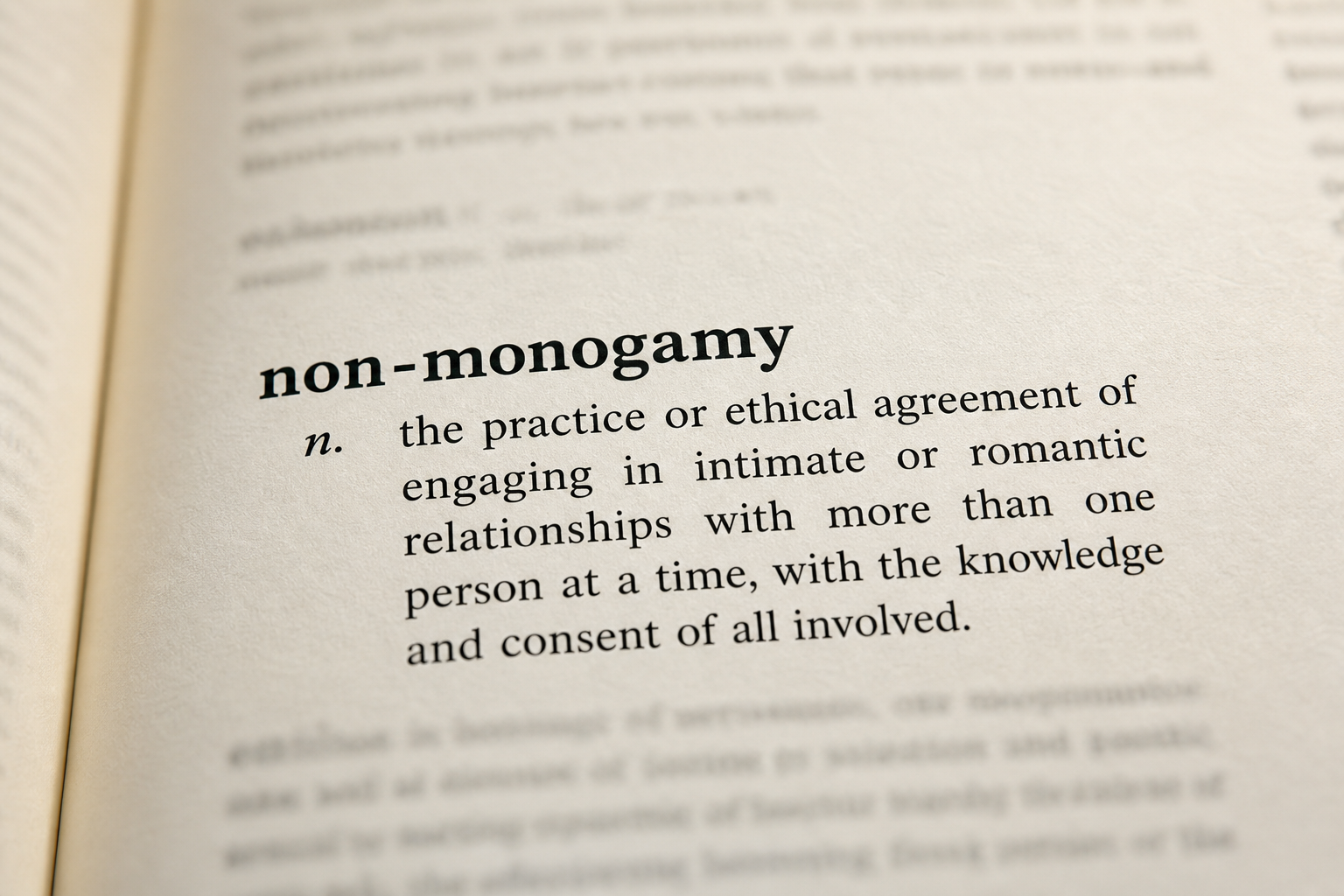

Working with the constellation
Polyamorous or open relationships are often more like a web than a line. When appropriate and logistically possible, we can work with:
A single partner wanting support around polyamory or open dynamics
A dyad within a larger polycule
Multiple partners together, to work on shared communication or agreements
Our focus is on helping you hear each other more clearly, navigate difficult conversations with less defensiveness, and build agreements that are realistic for actual humans—not for some idealized version of yourselves.
What to Expect
In sessions, we might:
Map out your relationship structure and the roles different people play in your life
Identify the stories you’ve learned about love, scarcity, and “enoughness,” and how they show up in polyamory
Practice how to bring up hard topics without escalating into blame or shutdown
Work on repair skills when boundaries are crossed or agreements need to be re‑made
Clarify each person’s needs, limits, and hopes so your agreements reflect real people, not just ideals
My role is not to decide who is right or which relationship “should” take priority. I’m here to help you understand yourselves and each other more clearly, and to support you in creating relationship structures that feel more honest, kind, and sustainable.
If you’re navigating polyamory and feel like, “We care about each other a lot, but this is starting to feel messy or painful,” therapy can be a place to slow down, sort through it, and find a way forward that actually fits you